
Film Showtimes
No showtimes available



The Double Life of Véronique
La Double vie de Véronique
- Director
- Krzysztof Kieslowksi
- Cast
- Irène Jacob, Anna Gornostaj, Halina Gryglaszewska, Philippe Volter, Kalina Jędrusik
- Date
- 1991
- Duration
- 93 Minutes
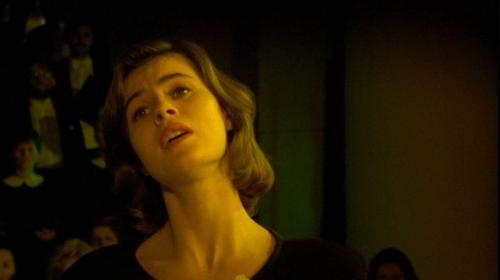
Marking the transition from his native Poland to France, The Double Life of Veronique is yet another masterpiece from the mighty arsenal of Krzysztof Kieslowksi.
The story begins in Krakow, where the concert singer Weronika catches sight of a young woman (Véronique) in a tourist bus who could pass for her twin. Shortly afterwards, Weronika dies from a heart attack during a recital. In Paris, we discover that the doppelganger Véronique shares more than just physical attributes with her Polish double. She also possesses a sublime voice and a complicated heart condition. Véronique meets a mysterious puppeteer, who would appear to be able to shed some light on the changes she has been feeling since her return. Kieslowski’s film is a cinematic triumph that will take the viewer on a magical visual and aural journey.
The Double Life of Véronique plays out like a dream with its striking amber hues, skewed perspectives and sweeping camera movements leaving indelible marks on the spectator. The director departs from his mystical yet everyday conceit (that we have an identical twin somewhere on this planet) and manages to create an enigmatic world of fate that is both disconcerting and alluring.
Kieslowski’s unassumingly employs all the artistic means at his disposal to create this unique environment. Music is a huge factor (as it would be in his next feature, the acclaimed Three Colours Blue) and the auteur’s trusted composer Zbigniew Preisner delivers yet another expressive score. The transcendental power of the concert singers’ voices is not used blithely, whilst the puppeteers’ cryptic messages and marionette shows constitute an engrossing puzzle-like story.
The young Irène Jacob is a revelation in this film. She exudes the repressed passion and intense confusion that has become the trademark of Kieslowski’s leading women. Jacob was crowned best actress at Cannes (where the film scooped two other prizes) and her performance ranks with Juliette Binoche’s in Blue as one of finest of the 90s.
The superlatives of Kieslowki’s film could go on without end; suffice to say this is flawless, arthouse cinema at its best.